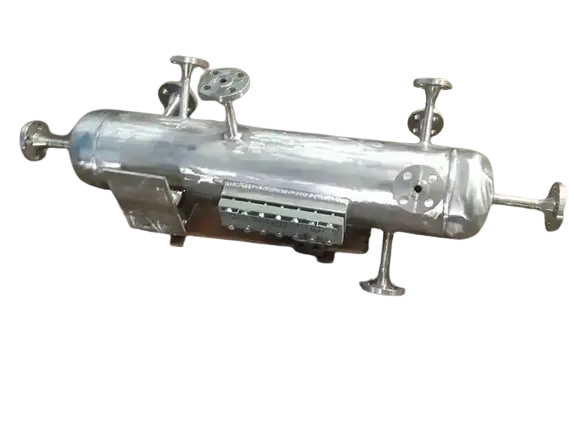
At United Cooling Systems, we understand that finding the right heat exchanger solution is crucial for your industrial needs. That's why we specialize in providing SS high pressure heat exchangers that offer maximum efficiency, reliability, and long-term performance in even the most demanding environments.
These heat exchangers are critical components in sectors such as chemical processing, oil cooling, and power generation, where high pressure and extreme temperatures are common.
This guide explores the key features, benefits, and applications of SS high-pressure heat exchangers, providing insights to help you select the right solution for your needs.
Ready to enhance your system's performance?
Contact us today to discuss how our SS high pressure heat exchangers can meet your unique industrial needs. Our team of experts is here to guide you in choosing the most efficient and reliable solution. now!
What is an SS High Pressure Heat Exchanger?
An SS high pressure heat exchanger, made from high-quality stainless steel, is a critical device used to transfer heat between two fluids under high pressure and extreme temperatures. The corrosion-resistant properties of stainless steel (SS) ensure that these heat exchangers can withstand even the most harsh industrial environments, providing long-lasting performance and reliability.
SS high pressure heat exchangers are widely used across various industries, including chemical processing, oil and gas, and power generation. By improving the efficiency of thermal management systems, these stainless steel heat exchangers help reduce energy costs, increase system reliability, and optimize operational efficiency.
With their exceptional strength and resistance to corrosion, SS heat exchangers play a vital role in ensuring smooth and efficient thermal management, even in the most demanding conditions.
Key Features of SS High Pressure Heat Exchangers
Our SS high pressure heat exchangers are designed to deliver exceptional performance tailored to your specific industrial needs. Whether you face high pressures, extreme temperatures, or harsh chemicals, our heat exchangers ensure your operations run smoothly and efficiently. Below are the standout features that make these devices essential in various industrial applications:
1. Corrosion Resistance
Stainless steel’s inherent corrosion resistance makes it ideal for high-pressure heat exchangers. These exchangers can resist damage from moisture, chemicals, and extreme temperatures, ensuring a longer lifespan. The stainless steel tubing further enhances this durability, particularly in chemical processing and oil cooling applications.
2. High Strength and Pressure Resistance
SS high-pressure heat exchangers are built to withstand pressures up to 5,000 psi. Their robust construction ensures they maintain structural integrity even in high-pressure environments like power generation and oil refining processes. This makes them a reliable choice for industries that deal with intense operational stress.
3. Efficient Heat Transfer
These heat exchangers are engineered to maximize thermal efficiency, reducing energy loss. The innovative design allows for optimal heat exchange between fluids, ensuring efficient cooling or heating processes, whether for steam generation or refrigeration. Whether utilizing plate heat exchangers or tube heat exchangers, the design ensures superior heat transfer capabilities.
4. Versatile Applications Across Industries
SS high-pressure heat exchangers are versatile, catering to various industries such as:
Oil cooling
Power generation
Chemical processing
Food processing
Pharmaceuticals
Their adaptability extends to different types of heat exchangers, including brazed plate heat exchangers, finned tube heat exchangers, and shell heat exchangers. This flexibility ensures they can be customized for specific needs across sectors.
5. Sanitary Design for Food and Pharmaceuticals
Many SS high-pressure heat exchangers are designed with sanitary features that make them perfect for applications in food processing and pharmaceuticals, where cleanliness is critical. The smooth surface of stainless steel prevents contamination and is easy to clean, making it ideal for industries that require CIP (Cleaning In Place) systems.
6. Compact Design for Space Efficiency
Stainless steel heat exchangers are often designed to be compact, allowing them to fit into tight spaces without sacrificing performance. This design is especially beneficial in systems with limited space, such as HVAC installations and storage tanks.
7. Advanced Safety Features
Equipped with pressure gauges and temperature transducers, these heat exchangers monitor and regulate system pressure to ensure safe and effective operation, preventing potential failures.
8. Low Maintenance and Longevity
Thanks to stainless steel's resistance to corrosion and wear, SS high pressure heat exchangers require minimal maintenance. This lowers operational costs and ensures the system’s longevity, which is crucial in industries where downtime is costly.
9.SS 420 Heat Treatment
Stainless Steel (SS) 420 is a martensitic steel known for its high hardness and strength. It is often used in high-pressure heat exchangers where superior mechanical properties are required. After undergoing heat treatment, SS 420’s hardness and resistance to wear are enhanced, making it suitable for harsh industrial environments.
10.SS 440C Heat Treatment
SS 440C is a high-carbon, high-chromium martensitic stainless steel known for its excellent wear resistance and ability to withstand higher pressures. In SS high-pressure heat exchangers, the 440C heat treatment ensures maximum durability and resistance to corrosion under extreme operational conditions.
The heat treatment process increases the steel’s hardness and helps maintain its structural integrity, especially in high-temperature applications.
SS 410 Heat Treatment
SS 410, a martensitic stainless steel, is often used in high pressure heat exchangers due to its corrosion resistance and good strength. Heat treatment of SS 410 involves processes such as hardening and tempering, which enhance its strength and resistance to wear and tear.
This makes it suitable for applications in industries such as chemical processing, where high-temperature fluids and corrosive substances are common.
Types of Heat Exchangers
There are several types of heat exchangers used across industries, each with its unique design and application:
Plate Heat Exchanger: Ideal for applications requiring a large surface area for efficient heat transfer. Compact and energy-efficient.
Shell and Tube Heat Exchanger: A cylindrical shell with tubes running through it, ideal for high-viscosity fluids and handling high-pressure environments.
Tube Heat Exchanger: Consists of tubes where one fluid flows inside and another around the tubes, effective for high-pressure applications.
Brazed Plate Heat Exchanger: A compact design made by brazing multiple plates together for excellent thermal performance.
Finned Tube Heat Exchanger: Uses extended fins on tubes to increase surface area and improve heat transfer efficiency.
Air-Cooled Heat Exchanger: Uses ambient air to cool fluids and is commonly used in locations with limited water supply.
Spiral Heat Exchanger: Features concentric spiral channels for enhanced heat transfer, ideal for high turbulence and effective fluid mixing.
SHS 60x60x3.2 for Heat Exchanger Frames:
For structural components like frames and supports, SHS 60x60x3.2 (Square Hollow Sections) may be used in the design of SS high pressure heat exchangers. These materials are commonly used in heat exchanger systems due to their robust construction and ability to withstand the mechanical stresses present in high-pressure environments.
The SHS 60x60x3.2 is particularly used for creating strong, stable frames that hold the heat exchangers securely in place during operations, particularly in industries like oil and gas.
Benefits of SS High Pressure Heat Exchangers
Here are the key benefits that make SS high pressure heat exchangers a popular choice in demanding industrial settings:
Exceptional Durability and Corrosion Resistance: Stainless steel’s resistance to corrosion and erosion ensures long-term reliability in harsh environments.
High Temperature and Pressure Resistance: These exchangers can withstand extreme temperatures and pressures, making them perfect for power generation, chemical processing, and other high-stress industries.
Space-Saving, Compact Design: Modern designs, such as brazed plate heat exchangers, are compact and energy-efficient, making them suitable for installations with space constraints.
Low Maintenance: The durability of stainless steel minimizes maintenance needs, leading to reduced downtime and operational costs.
Hygienic Properties for Sensitive Industries: Stainless steel is non-reactive, making it ideal for industries like food processing and pharmaceuticals, where hygiene and product integrity are paramount.
SS Heat Transfer Coefficient:The SS heat transfer coefficient refers to the ability of stainless steel materials to transfer heat efficiently. In high-pressure heat exchangers, the choice of stainless steel affects the heat transfer rate. Higher heat transfer coefficients are achieved by selecting grades of stainless steel that offer the best thermal conductivity. SS 420, SS 440C, and other grades are selected for their high strength and thermal efficiency, making them ideal for industries requiring efficient thermal management.
Applications of SS High Pressure Heat Exchangers
SS high pressure heat exchangers are indispensable across a wide range of industries due to their robustness and efficiency:
Chemical Processing: Used to heat or cool process fluids in reactors and distillation columns. Their ability to handle corrosive chemicals makes them crucial in this sector.
Power Generation: Used in steam generators and condensers, they manage thermal energy effectively, contributing to efficient power production.
HVAC Systems: Employed for temperature regulation in heating and cooling systems, these heat exchangers maintain high energy efficiency.
Food Processing: Essential for temperature control in processes like pasteurization and sterilization, ensuring compliance with health regulations.
Pharmaceutical Applications: Provide precise temperature control for processes that must adhere to strict health and safety standards.
Oil and Gas Industry: Ensure reliable and efficient cooling during the extraction and refining processes. Our SS high-pressure heat exchangers keep your operations running smoothly, reducing the risk of downtime and increasing overall productivity.
Marine Applications: Used to cool propulsion systems and manage onboard temperatures in ships and submarines.
Renewable Energy Systems: Used in geothermal heating and solar thermal applications to transfer heat efficiently.
Conclusion
SS high pressure heat exchangers are essential to ensuring your thermal management system operates at peak efficiency. Whether you're in chemical processing, power generation, or food production, we’re here to help you find the perfect heat exchanger that meets your unique needs.
Their stainless steel construction ensures durability, corrosion resistance, and reliable performance even under extreme pressure and temperature conditions. At United cooling systems, we specialize in providing high-quality SS heat exchangers tailored to meet the needs of your specific applications.
Need assistance? If you have questions or need help selecting the right SS heat exchanger for your industrial system, don't hesitate to . We are here to help optimize your thermal management solutions.
FAQ
1. What is an SS High Pressure Heat Exchanger?
An SS High Pressure Heat Exchanger is a device that efficiently transfers heat between two fluids under high pressures, using corrosion-resistant stainless steel to ensure long-term durability in demanding environments.
2. Why is stainless steel used in high-pressure heat exchangers?
Stainless steel’s resistance to corrosion, strength, and ability to withstand high temperatures and pressures makes it ideal for high-pressure heat exchangers in industries like chemical processing, oil & gas, and power generation.
3. What industries use SS High Pressure Heat Exchangers?
Industries such as chemical manufacturing, oil and gas, power generation, food processing, and pharmaceuticals rely on SS High Pressure Heat Exchangers for efficient thermal management.
4. How do SS High Pressure Heat Exchangers work?
They transfer heat between two fluids flowing through separate channels, ensuring efficient heat exchange while maintaining fluid separation for optimal temperature control.
5. What are the benefits of using SS High Pressure Heat Exchangers?
They provide enhanced durability, corrosion resistance, efficient heat transfer, and the ability to withstand extreme pressures and temperatures.
6. How to maintain an SS High Pressure Heat Exchanger?
Regularly inspect for leaks, clean heat exchange surfaces, and ensure proper fluid flow. Checking for corrosion or wear helps maintain long-term performance.
7. What is the lifespan of an SS High Pressure Heat Exchanger?
With proper care, they can last for many years, depending on operating conditions, fluid types, and maintenance practices.
8. How to choose the right SS High Pressure Heat Exchanger for my needs?
Consider factors such as operating pressure, temperature, fluid types, and heat transfer efficiency. Consulting an expert can help you select the best solution for your specific application.