Certificate
We are prequalified as an Approved Vendor of ADNOC adnoc certified company

Timber cooling Tower

Durable and efficient cooling solutions made from high-quality wood, designed to dissipate heat from industrial processes. They are ideal for industries requiring cost-effective and reliable cooling systems.

Timber Cooling Tower Manufacturers

Timber cooling Tower

At United Cooling Systems, our timber cooling towers provide an energy-efficient, cost-effective solution for industrial water cooling. Constructed from pressure-treated wood, these cooling towers resist decay, corrosion, and fungal damage better than metal alternatives, reducing downtime and expensive maintenance.

If you face challenges like equipment overheating, high operational costs, or frequent cooling system failures, our timber towers offer durable, low-maintenance performance for power plants, manufacturing facilities, and HVAC systems. Designed for heat rejection, evaporative cooling, and thermal efficiency, they optimize your facility’s performance while supporting sustainability goals.

Trust United Cooling Systems for reliable, eco-friendly, and long-lasting cooling tower solutions tailored to your industrial cooling needs.
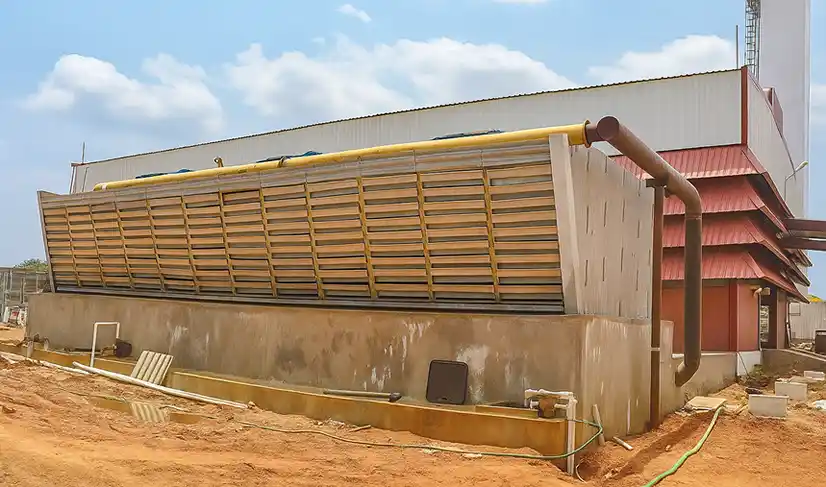

Timber Cooling Tower

What is a Timber Cooling Tower?

A timber cooling tower is an industrial heat rejection system made from pressure-treated wood. It works by using evaporative cooling to lower the temperature of hot water. Timber cooling towers are commonly used in power plants, factories, and HVAC systems to maintain optimal operating conditions.

In these systems, water is sprayed over wooden slats, and as the water evaporates, it releases heat into the atmosphere. Airflow through the tower accelerates the evaporation process, helping to cool the water. Timber cooling towers are valued for being cost-effective, durable, and easy to maintain, offering a sustainable alternative to concrete or metal cooling towers.


Key Features of Timber Cooling Towers

Timber cooling towers are trusted in industries where efficient heat removal and cost savings matter most. Here’s why they stand out:

  • Durable & Eco-Friendly Materials: Made from treated high-quality wood, these towers resist decay, moisture, and insects. Using natural wood reduces environmental impact, appealing to companies focused on sustainable cooling solutions.
  • Efficient Heat Exchange: Their natural wood fill and smart airflow design boost heat transfer. This helps industries like power plants and HVAC systems maintain safe temperatures, cutting down on energy costs and equipment damage.
  • Cost-Effective & Low Maintenance: Timber towers have lower upfront costs compared to steel or concrete. Easy repairs minimize downtime and keep maintenance expenses low—perfect for businesses wanting hassle-free operations.
  • Corrosion Resistance: Unlike metal towers, timber resists water and chemical corrosion, extending system life and ensuring reliable, long-term performance.
  • Customizable Design: Available in various sizes and layouts, timber cooling towers adapt to your plant’s specific cooling needs, optimizing space and efficiency.

Timber Cooling Tower vs. Other Cooling Tower Types

Choosing the right cooling tower can dramatically affect your industrial process efficiency and overall costs. Timber cooling towers offer unique advantages compared to other common types like round shape cooling tower, square shape cooling tower, adiabatic cooling tower, steel, concrete, and fiberglass towers. Here’s how they compare:

1. Cost Efficiency

  • Timber Cooling Towers: Typically have a lower initial cost than steel or concrete towers. Wood is cheaper and easier to source, which helps reduce upfront investment.
  • Round & Square Towers: Round towers, often made of concrete or fiberglass, are durable but expensive. Square towers tend to be steel or concrete and usually cost more to build and maintain.
  • Adiabatic Cooling Towers: These hybrid systems are efficient but require costly components and more complex maintenance, increasing total cost of ownership.

2. Maintenance and Durability

  • Timber Cooling Towers: When properly treated, timber resists rot and decay. Repairs are straightforward and can be done quickly, reducing downtime.
  • Round & Square Steel Towers: Steel towers are strong but susceptible to rust and corrosion, especially in humid environments, increasing maintenance efforts and costs.
  • Concrete Towers: Highly durable but repairs are costly and time-consuming.
  • Fiberglass Towers: Corrosion-resistant but less durable in harsh industrial conditions.
  • Adiabatic Towers: Require regular maintenance of both mechanical and water systems, making upkeep more complex.

3. Environmental Impact

  • Timber Cooling Towers: Use renewable wood resources and have a lower carbon footprint compared to steel and concrete, making them ideal for companies with green initiatives.
  • Steel and Concrete Towers: Have high embodied energy due to material extraction and manufacturing processes, leading to a larger environmental impact.
  • Adiabatic and Fiberglass Towers: While fiberglass is corrosion-resistant, its production involves synthetic resins and plastics, which are less eco-friendly.

4. Performance and Efficiency

  • Timber Cooling Towers: Provide excellent heat transfer due to natural wood fill and optimized airflow design, delivering reliable cooling even in demanding industrial settings.
  • Round Towers: Often used for large-scale applications, they offer good airflow dynamics but require more space and higher construction costs.
  • Square Towers: Offer space-saving benefits but may have uneven airflow distribution.
  • Adiabatic Cooling Towers: Combine evaporative and dry cooling for higher efficiency in water-scarce environments but come with higher energy demands.
  • Fiberglass Towers: Lightweight and corrosion-resistant but may underperform in very large or harsh operations.

5. Customization and Flexibility

  • Timber Cooling Towers: Easily customizable to meet specific industrial needs with quicker manufacturing and modification options.
  • Round & Square Towers: Customization is possible but involves longer design and build cycles.
  • Adiabatic Towers: Complex systems limit quick customization and usually require expert design input.

Timber cooling towers offer a cost-effective, eco-friendly, and flexible solution with strong performance and easier maintenance compared to round, square, and adiabatic towers. Their natural materials and design adaptability make them well-suited for industries seeking reliable cooling with a lower total cost of ownership.


How Timber Cooling Towers Work?

Timber cooling towers help remove unwanted heat from industrial processes by using water and air. They are made with strong treated wood, which supports the tower’s structure while allowing efficient cooling. Here’s how they work in a simple, step-by-step way:

1. Hot Water Enters the Tower

Warm water from industrial machines, HVAC systems, or power plants is pumped to the top of the timber cooling tower.

2. Water is Distributed Evenly

This hot water is spread across a fill area (often made of splash bars or wood slats) using spray nozzles or a distribution basin. This increases the water surface area, making it easier to cool.

3. Air is Pulled or Pushed In

Cool air enters the tower from the sides (in natural draft towers) or is pushed in by fans (in mechanical draft towers). As the air moves through the fill, it comes in contact with the falling water.

4. Evaporation Removes Heat

A small portion of the water evaporates when it touches the air. This natural evaporation pulls heat away from the remaining water, lowering its temperature. This process is known as evaporative cooling.

5. Cooled Water is Collected and Reused

The cooled water collects in a basin at the bottom of the tower. It is then pumped back into the system to absorb more heat—repeating the cycle.

Why It Matters to You

  • Reduces equipment overheating
  • Saves on energy costs
  • Improves system efficiency
  • Supports continuous industrial operation

Timber cooling towers are reliable and cost-effective, making them a smart choice for industries that need stable cooling with low maintenance.


Design & Structure of Timber Cooling Towers

Timber cooling towers are a reliable choice for industries needing efficient, cost-effective cooling. Their smart design directly impacts cooling performance, durability, and maintenance costs.

What Makes Timber Cooling Towers Unique?

Built from high-quality, treated timber, these towers are strong yet lightweight. The wood is specially treated to resist moisture, decay, and weather—offering a clear edge over metal or concrete towers prone to rust and heavy weight.

Core Design Components:

  • Robust Timber Frame: Supports the entire structure, resisting wind and water pressure. Treated wood keeps it durable in damp or humid settings.
  • Efficient Fill Media: Timber fill increases water surface area, maximizing air-to-water contact for faster cooling.
  • Optimized Airflow Design: Louvers and vents pull cool air in and push warm air out, boosting natural cooling efficiency.
  • Even Water Distribution: Strategically placed nozzles spread water evenly to avoid dry spots and ensure consistent heat exchange.

Benefits of Timber Tower Design:

  • Corrosion & Rust Resistance: Timber naturally resists corrosion, especially in salty or humid environments, unlike steel towers.
  • Cost-Effective: Timber is easier and cheaper to source, lowering upfront and maintenance expenses.
  • Easy Maintenance: Damaged timber parts can be quickly replaced without shutting down the system.
  • Eco-Friendly: Using renewable wood makes these towers an environmentally responsible choice.

Addressing Common Concerns:

  • Will Timber Rot or Decay? Modern chemical treatments protect timber against moisture, insects, and fungi, extending lifespan beyond 20 years.
  • Fire Risks? Fire-retardant coatings minimize hazards, making timber towers safer.
  • Is Maintenance Hard? Designed for easy inspection and repairs, minimizing downtime and keeping operations smooth.

Who Should Choose Timber Cooling Towers?

Ideal for power plants, manufacturing, and facilities needing continuous cooling, timber towers offer durable, affordable, and easy-to-maintain solutions. Their natural strength and insulation work well for small and large-scale cooling needs.


Specifications of Timber Cooling Towers

Here’s a detailed look at the typical specifications for timber cooling towers, which help determine the optimal design for your needs:

Specification Description
Material Pressure-treated wood (e.g., pine, redwood)
Cooling Capacity Up to 10,000 GPM (gallons per minute) depending on tower size and configuration
Tower Height Typically between 15 to 50 feet, depending on the application
Airflow Type Crossflow or counterflow options
Water Distribution Uniform water distribution over slats or fill material
Fan Type Axial or centrifugal fans depending on airflow requirements
Slat Spacing Customizable to ensure optimal water distribution and heat exchange
Coating Eco-friendly protective coatings for wood preservation
Lifespan 20-40 years, depending on maintenance and environmental factors
Water Quality Management Biocides, anti-scaling agents, and pH monitoring recommended
Energy Efficiency Typically low-energy consumption with efficient fan systems

Fan Systems for Efficient Airflow

Efficient airflow is the heart of every timber cooling tower. The fan system plays a crucial role in moving air through the tower, helping cool the water quickly and effectively. Without a well-designed fan system, your cooling tower may waste energy, cost more to run, or fail to cool properly — which can disrupt your entire process.

Why are fan systems so important?

The fan pushes or pulls air through the timber structure, maximizing contact between air and water. This improves heat transfer and cools water faster. If the fans don’t work right, you may face problems like poor cooling performance, high electricity bills, or costly repairs.

Common Issues with Cooling Tower Fan Systems:

  • Fans that consume too much power, increasing operating costs.
  • Noisy or vibrating fans causing maintenance headaches.
  • Fans that don’t deliver consistent airflow, leading to uneven cooling.
  • Difficulty in replacing or upgrading fans without downtime.

Our timber cooling towers use advanced fan designs that balance airflow and energy efficiency. We focus on quieter, low-maintenance fans that keep your system running smoothly while lowering electricity use. Plus, our fans are easy to service, helping you avoid costly shutdowns.

How do we ensure efficient airflow?

  • Using high-efficiency axial fans designed specifically for timber cooling towers.
  • Optimizing fan blade angles and motor speeds to match your cooling needs.
  • Incorporating smart controls for variable fan speed, saving energy during low-demand periods.

Choosing the right fan system means better cooling, lower costs, and a longer-lasting timber cooling tower. Whether you need a retrofit or a brand-new setup, our fan systems deliver superior airflow performance tailored to your needs.


Installation Process & Timeline

Installing a timber cooling tower is a critical step to ensure your cooling system runs efficiently for years. A smooth installation process saves you time, money, and stress. We understand that downtime is costly, so our goal is to make installation fast, reliable, and hassle-free.

What does the installation involve?

The process starts with a thorough site assessment to check space, power availability, and foundation conditions. Next, we deliver the timber cooling tower components and carefully assemble them on-site. Our experienced technicians handle everything from fitting the timber structure to installing fan systems and piping.

Typical Installation Timeline:

  • Site assessment & planning: 1-2 days
  • Delivery of materials:2-3 days
  • Assembly and setup: 5-7 days
  • Testing and commissioning: 1-2 days

Most installations can be completed within 2 weeks, minimizing disruption to your operations.

Common customer concerns during installation:

  • Will the installation cause downtime?
  • How long before my cooling tower is fully operational?
  • Are there hidden costs or delays?
  • What about safety and quality during installation?

We address these concerns by providing clear communication and expert project management. Our teams work efficiently while following strict safety and quality standards to protect your staff and equipment.

Why choose our installation service?

  • Fast, professional setup reduces costly downtime.
  • Transparent timelines and cost estimates — no surprises.
  • Skilled technicians specialized in timber cooling towers.
  • Comprehensive testing ensures your system runs perfectly from day one.

With our streamlined installation process, you get a reliable cooling tower up and running quickly, saving energy and costs while improving plant performance.


Common Issues and Troubleshooting Guide

Even the best timber cooling towers can face problems. Knowing common issues and how to fix them quickly helps you avoid costly repairs and keeps your system efficient.

1. Reduced Cooling Efficiency

Cause: Clogged fill media or blocked airflow from dirty fans.

Fix: Clean fill packs regularly and check fans for dust buildup.

Replace damaged fill to ensure proper air and water flow for effective cooling.

2. Fan Noise and Vibration

Cause: Worn bearings, loose blades, or fan imbalance.

Fix: Tighten fan blades, lubricate bearings, and balance the fan. If noise continues, call a professional to prevent bigger damage.

3. Water Leakage

Cause: Damaged timber panels or bad seals.

Fix: Inspect for cracks or rot; replace damaged wood. Check all seals and gaskets to stop leaks.

4. Excessive Power Consumption

Cause: Fans running at full speed unnecessarily or old motors.

Fix: Use variable speed drives to match fan speed with cooling needs. Upgrade to energy-efficient motors to save power and costs.

5. Biological Growth and Scaling

Cause: Stagnant water and mineral buildup inside the tower.

Fix: Schedule regular water treatment and cleaning to prevent blockages and maintain smooth operation.

Why Troubleshooting Matters

Ignoring small problems can cause system failures, longer downtime, and expensive repairs. Early detection and maintenance keep your timber cooling tower running efficiently and prolong its life.

Need Expert Help?

If issues persist, our skilled technicians at United Cooling Systems are ready to assist. We offer fast, reliable troubleshooting and maintenance to keep your cooling tower at peak performance.


Proactive Maintenance Checklist

Keeping your timber cooling tower in top shape means fewer breakdowns, better cooling, and lower costs. A proactive maintenance plan helps you catch small problems before they grow, saving you time and money.

Use this easy checklist to make sure your cooling tower runs smoothly year-round:

Timber Cooling Tower Proactive Maintenance Checklist

1. Inspect Timber Structure

  • Check for cracks, rot, or warping in wood panels.
  • Repair or replace damaged timber immediately.

2. Clean Fill Material

  • Remove dirt, debris, and biological growth from fill packs.
  • Replace fill if it’s clogged or damaged to maintain proper airflow.

3. Check Fan System

  • Inspect fan blades for damage or looseness.
  • Lubricate bearings and check for unusual noise or vibration.
  • Test variable speed drives (if installed) for proper operation.

4. Examine Water Distribution System

  • Ensure water nozzles are clear and spraying evenly.
  • Clean any blockages or mineral buildup.

5. Monitor Water Quality

  • Test for scaling, algae, and bacterial growth.
  • Use appropriate water treatment chemicals regularly.

6. Inspect Seals and Gaskets

  • Look for leaks or wear around seals and gaskets.
  • Replace faulty components to prevent water loss.

7. Electrical & Controls Check

  • Verify all motors, sensors, and control panels work correctly.
  • Ensure safety switches and alarms are operational.

8. Regular Performance Testing

  • Measure cooling efficiency and airflow rates.
  • Schedule professional inspections annually or bi-annually.
Why Follow a Maintenance Checklist?

Ignoring maintenance can lead to costly repairs, higher energy bills, and reduced cooling performance. A checklist helps you stay organized and proactive, extending the life of your timber cooling tower.


Materials & Hardware Used

Choosing the right materials and hardware is key to building a durable, efficient timber cooling tower. Quality components ensure your cooling tower performs well, lasts longer, and requires less maintenance.

Key Materials in Timber Cooling Towers:

  • High-Quality Timber: We use specially treated timber that resists rot, insects, and weather damage. This wood is strong and durable, providing a solid frame for your cooling tower. Proper treatment helps prevent warping and extends service life.
  • Corrosion-Resistant Fasteners: Stainless steel bolts, screws, and nails hold the timber structure together securely. These fasteners resist rust and corrosion, which is vital in a moist cooling tower environment.
  • Fill Media: The fill material inside the tower maximizes contact between air and water. We use premium plastic or wood fill designed for high heat transfer and durability, helping to improve cooling efficiency.
  • Fans and Motors: Our cooling towers come with energy-efficient axial fans and reliable motors. These parts are built to withstand continuous operation and harsh outdoor conditions.
  • Seals and Gaskets: Waterproof seals and gaskets prevent leaks and protect internal components from water damage. They are made from durable rubber or synthetic materials designed for long-lasting performance.
  • Piping and Nozzles: High-quality PVC or metal pipes and nozzles distribute water evenly over the fill. These components are corrosion-resistant to ensure consistent water flow.

Why Material Quality Matters

Poor-quality materials can lead to frequent repairs, leaks, and inefficient cooling. For example, untreated timber may rot quickly, causing structural problems. Low-grade fasteners can rust, weakening the tower’s frame and risking costly downtime.

Our carefully selected materials and hardware combine strength, durability, and efficiency to keep your timber cooling tower running smoothly for years.


Certifications & Regulatory Compliance

When investing in a timber cooling tower, you want assurance that the product meets the highest standards for safety, quality, and environmental responsibility. That’s why our cooling towers come with a strong portfolio of internationally recognized certifications and regulatory approvals.

Our Key Certifications:

  • PDIL Enlistment Certificate — Validates our capability to deliver high-quality industrial equipment compliant with industry norms.
  • ASME Certification — Ensures our cooling towers meet rigorous safety and design standards set by the American Society of Mechanical Engineers.
  • R Stamp & NB Stamp Certificates — Certify that our fabrication, repair, and alteration processes adhere to stringent quality requirements, especially for pressure vessels.
  • ISO 9001:2015 — Confirms our commitment to quality management systems and continuous improvement in manufacturing and service.
  • ISO 14001:2015 — Demonstrates our dedication to environmentally responsible practices throughout production and lifecycle management.
  • EIL Certificate — Recognized by Engineers India Limited for meeting their strict technical and quality criteria.
  • American Petroleum Institute (API) Compliance — Shows our products meet key standards required in the oil and gas industry.
  • Indian Boiler Regulations (IBR) — Confirms compliance with safety regulations for boiler-related equipment.
  • ZED Gold & Silver MSME Certificates — Reflect our leadership in energy efficiency and sustainable manufacturing as a Micro, Small, and Medium Enterprise.

Why Certifications Matter to You:

  • Safety & Reliability: Certified products reduce risks of failure, protecting your facility and workers.
  • Quality Assurance: Certifications guarantee you receive equipment built to exacting standards.
  • Regulatory Compliance: Avoid costly legal issues by choosing products that meet local and international codes.
  • Sustainability: Our ISO 14001 and ZED certifications ensure environmentally friendly manufacturing processes.
  • Industry Trust: Certifications from recognized bodies like ASME and API build confidence in our timber cooling towers across sectors, including oil, gas, power, and manufacturing.

Choosing a certified timber cooling tower means less downtime, longer service life, and peace of mind that your investment complies with all necessary regulations and standards.


Warranty & After-Sales Support

Buying a timber cooling tower is a big investment, and you deserve peace of mind that your system will perform reliably for years. That’s why we back our cooling towers with a strong warranty and comprehensive after-sales support to keep your operations running smoothly.

Our Warranty Promise

We offer a clear, transparent warranty covering manufacturing defects, material quality, and workmanship. If any issues arise within the warranty period, we will repair or replace faulty parts promptly — with minimal disruption to your facility.

Why Our Warranty Matters:

  • Protection Against Defects: Rest assured your cooling tower components meet the highest quality standards.
  • Cost Savings: Avoid unexpected repair bills during the warranty period.
  • Confidence: Our warranty shows we stand behind our products and craftsmanship.

Reliable After-Sales Support

Our commitment doesn’t end at purchase. Our dedicated support team is ready to assist you with:

  • Regular maintenance services to keep your timber cooling tower operating at peak efficiency.
  • Troubleshooting and repairs performed quickly by experienced technicians.
  • Spare parts availability to reduce downtime when replacements are needed.
  • Technical advice and training to help your team manage the system effectively.

Common Customer Concerns We Address:

  • What if something breaks after installation?
  • How quickly can I get repairs or parts?
  • Is ongoing maintenance available?
  • Who can I contact for support?

We provide clear answers and fast service to ensure your cooling tower stays reliable and efficient throughout its lifecycle.


Pricing & How to Order

The cost of a timber cooling tower depends on several factors:

  • Size and capacity — larger towers cool more water but cost more.
  • Materials and hardware — high-quality timber and energy-efficient fans can affect price.
  • Customization — specific design features or extra options might add to the cost.
  • Installation and delivery — depending on your location and site conditions.

We provide customized quotes based on your unique requirements, so you get exactly what you need without paying for extras.

What’s Included in the Price?

  • Premium quality timber cooling tower components
  • Energy-efficient fan systems
  • Delivery to your site
  • Professional installation (if opted)
  • Warranty and after-sales support

How to Order?

Ordering your timber cooling tower is simple:

  1. Contact Us: Reach out via phone, email, or our website with your project details.
  2. Site Assessment: Our experts will evaluate your cooling needs and site conditions.
  3. Receive Quote: We’ll provide a detailed, no-obligation price quote tailored to your needs.
  4. Confirm Order: Once you approve the quote, we begin manufacturing your cooling tower.
  5. Delivery & Installation: We coordinate delivery and install the system, ensuring smooth setup.

Customer Concerns We Address

  • Will I get a clear, upfront price?
  • How long will it take to get to my cooling tower?
  • Can I customize the design?
  • What support is available after purchase?

We ensure full transparency and guide you every step of the way, from inquiry to installation.


Industries & Applications

Key Industries Using Timber Cooling Towers:

  • Power Generation: Cooling towers help power plants remove excess heat from boilers and turbines, improving energy efficiency and preventing overheating.
  • Chemical and Petrochemical Plants: These industries rely on timber cooling towers to cool process water and maintain safe operating temperatures for sensitive equipment.
  • Oil & Gas: Cooling towers support refining and extraction operations by cooling water used in various stages of production, helping avoid costly downtime.
  • Manufacturing & Industrial Plants: From steel mills to food processing, timber cooling towers keep machinery running by controlling temperature and preventing overheating.
  • HVAC Systems for Commercial Buildings: Large commercial buildings use cooling towers to regulate air conditioning systems, ensuring comfortable environments and reducing energy costs.
  • Pharmaceutical Industry: Precise temperature control via cooling towers is vital in pharmaceutical manufacturing to maintain product quality.

Future Trends in Timber Cooling Towers

The timber cooling tower market is evolving fast, driven by new challenges like stricter environmental regulations, rising energy costs, and demand for higher reliability. Here’s a look at future trends backed by real data and focused on what matters most to you.

1. Hybrid Timber-Metal Structures Improve Lifespan by 30-40%

Recent studies show that hybrid cooling towers combining treated timber with stainless steel or galvanized metal components can extend service life by up to 40% compared to all-wood structures. This reduces maintenance costs by minimizing timber degradation and corrosion-related repairs.

2. Predictive Maintenance Cuts Downtime by 25%

Companies implementing sensor-based predictive maintenance on cooling towers have reported a 25% reduction in unexpected downtime. Using local climate data and real-time monitoring, maintenance can be scheduled only when needed, saving up to 20% on service costs annually.

3. Eco-Friendly Timber Treatments Reduce Chemical Use by 50%

New localized timber treatment methods using borate-based or nano-coatings reduce chemical usage by up to 50% while providing effective protection against rot and insects. This also helps companies meet stricter environmental guidelines like ISO 14001.

4. Digital Dashboards Increase Operational Visibility by 60%

Cooling tower operators adopting digital monitoring platforms report a 60% increase in operational visibility, with easy access to data like airflow rates, water temperature, and fan vibration. This improves decision-making and speeds up issue detection.

5. Noise Reduction Efforts Lead to 10 dB Decrease, Enhancing Worker Safety

Advanced fan blade designs and sound-dampening materials integrated into timber towers have achieved noise reductions of up to 10 decibels. Lower noise levels reduce workplace stress and comply with occupational safety standards.

Why These Trends Are Game-Changers for You

  • Longer-lasting towers mean fewer costly repairs and replacements.
  • Smarter maintenance saves money and avoids unexpected failures.
  • Environmentally friendly treatments support green certifications and reduce harmful emissions.
  • Real-time data access empowers your team to keep systems running optimally.
  • Quieter operation improves work conditions and community relations.

Conclusion:

At United Cooling Systems, we understand that choosing the right timber cooling tower is crucial for your plant’s efficiency, reliability, and sustainability. With our expertise, certified quality, and commitment to innovation, we deliver cooling solutions tailored to meet the unique needs of industries such as power generation, petrochemical, manufacturing, and more.

Our timber cooling towers combine durable materials, advanced design, and comprehensive after-sales support — backed by prestigious certifications like ASME, ISO 9001:2015, and API — ensuring your investment stands the test of time. We also prioritize eco-friendly practices and energy-efficient technology, helping you reduce costs while staying compliant with environmental standards.

Partner with United Cooling Systems for customized solutions, transparent pricing, and responsive service that minimizes downtime and maximizes performance. Let us help you achieve optimal cooling performance with peace of mind and long-term value.


FAQ

1: Why choose United Cooling Systems for timber cooling towers?

United Cooling Systems delivers certified timber cooling towers engineered for durability, energy efficiency, and compliance with ASME, ISO 9001:2015, and API standards. Our custom solutions reduce operational costs and ensure reliable performance in industries like power, petrochemical, and manufacturing.

2: How do I get an accurate price quote for a timber cooling tower?

Contact our experts with your cooling capacity, site conditions, and project requirements. We provide a custom timber cooling tower quote that covers design, materials, installation, and after-sales services—no hidden costs.

3: What is the lead time for manufacturing and installing timber cooling towers?

Typical lead times range from 4 to 8 weeks, depending on tower size and complexity. Our professional installation team ensures quick, efficient setup, minimizing downtime for your plant.

4: What warranty and after-sales support does United Cooling Systems provide?

We offer a comprehensive warranty on timber cooling towers, covering materials and workmanship. Our after-sales services include routine maintenance, fast repairs, and access to genuine spare parts, maximizing your tower’s lifespan and performance.

5: Can United Cooling Systems customize timber cooling towers for specific industrial needs?

Yes. We design custom timber cooling towers tailored to your operational requirements, environmental conditions, and compliance needs, ensuring optimal cooling performance and energy efficiency.

6: Are your timber cooling towers compliant with industry safety and environmental standards?

Absolutely. Our cooling towers meet stringent industry certifications including ASME, API, ISO 14001:2015, Indian Boiler Regulations, and EIL standards, ensuring safety, quality, and eco-friendly operation.

7: How energy-efficient are your timber cooling towers?

Our towers incorporate energy-saving fan systems and optimized timber airflow design that can reduce power consumption by up to 20%, helping you lower operational costs while maintaining effective cooling.

8: Which industries benefit most from United Cooling Systems’ timber cooling towers?

Our timber cooling towers serve diverse sectors including power plants, petrochemical, oil & gas, steel manufacturing, pharmaceuticals, and commercial HVAC applications.

9: What installation support does United Cooling Systems offer?

We provide full-service support—from site evaluation and delivery to expert installation and commissioning—ensuring your timber cooling tower operates at peak efficiency from day one.

10: How can I request a consultation or place an order with United Cooling Systems?

Reach us via phone, email, or through our website contact form. Our knowledgeable sales team will guide you through the process and provide tailored cooling tower solutions that fit your budget and timeline.